The Reactor Technology Integration Group (ReTI) is part of the Department of Nuclear Engineering and Engineering Physics at the University of Wisconsin–Madison. Our work focuses on the modeling, design, and evaluation of nuclear energy systems, with an emphasis on the technical and economic questions that affect whether new nuclear technologies can be built, licensed, operated, and deployed in practice.
Our research extends across reactor physics, multiphysics simulation, systems engineering, optimization, and techno-economic analysis. We work on both fission and fusion technologies, with projects ranging from reactor core design and benchmark evaluation to nuclear-renewable integration, flexible operation, fusion blanket systems, and tritium fuel-cycle analysis.
Our research is organized around three main areas:
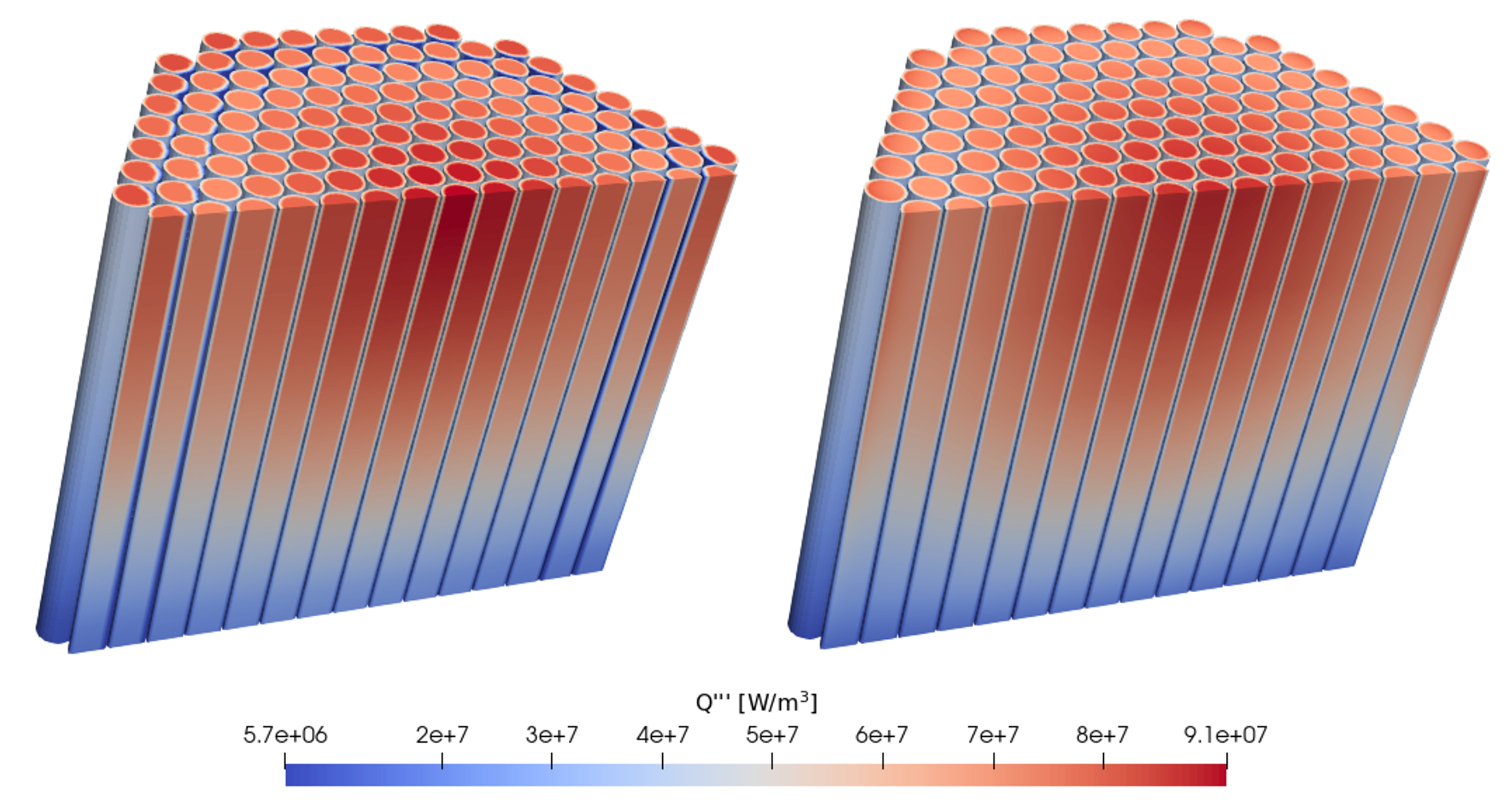
Fission Reactor Modeling & Design
We develop and apply computational methods to study the behavior of fission reactor systems under realistic operating conditions. This work includes light-water reactors, high-temperature gas reactors, pebble-bed reactors, and small modular reactor concepts. Across these projects, we use reactor physics, thermal-hydraulics, coupled multiphysics simulation, and benchmark data to understand how design choices affect reactor performance, safety margins, licensing confidence, and deployment risk.
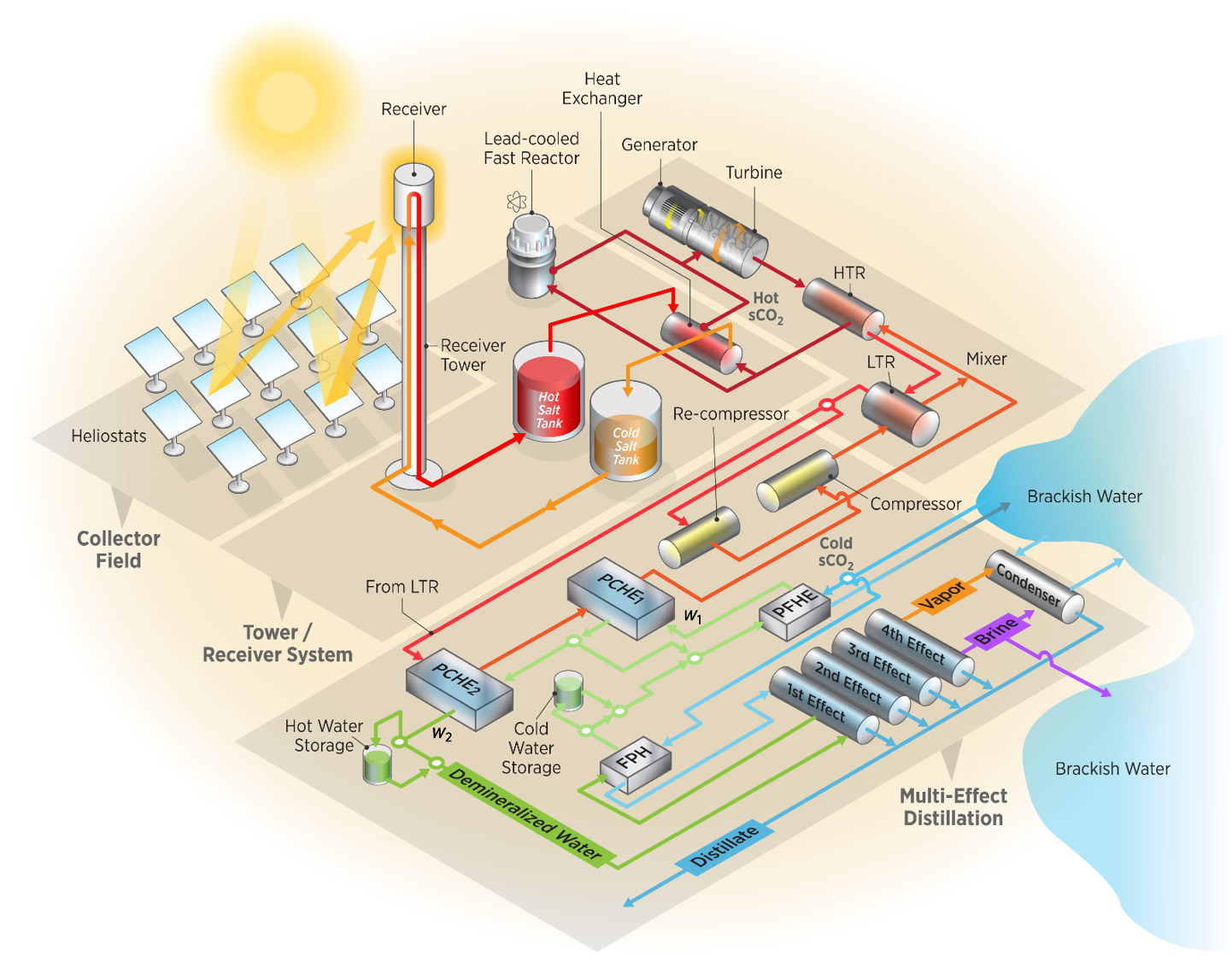
Energy Systems & Techno-Economics
We examine how nuclear technologies fit into changing energy systems and markets. As grids add more variable renewable generation, nuclear plants may need to provide value through flexible operation, process heat, desalination, energy storage, microgrids, and other applications beyond steady electricity production. Our work uses techno-economic analysis, optimization, power-cycle modeling, and systems-level design to study what makes nuclear energy easier to build, operate, and integrate with future energy infrastructure.
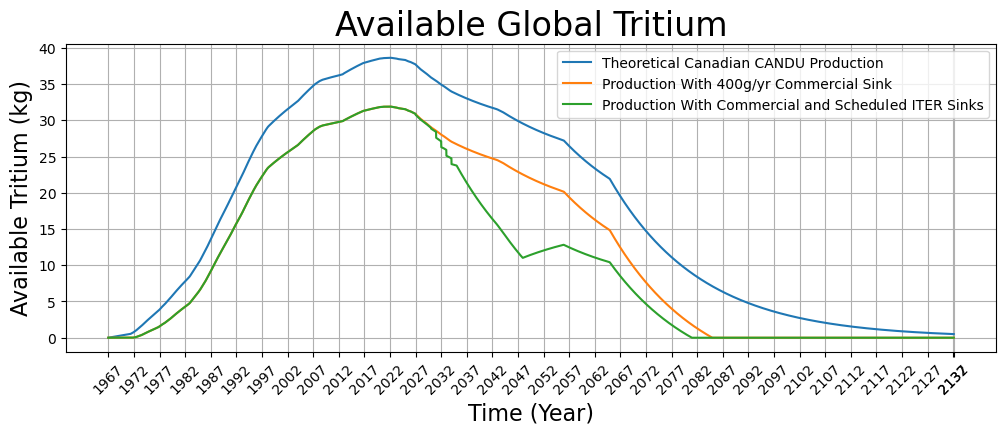
We study the nuclear systems needed to turn fusion reactions into practical energy systems. Our work focuses on fusion blankets, tritium management, and fuel-cycle constraints using computational modeling, systems engineering, and conceptual design. The group leads and contributes technically to a multi-institution effort on fusion blanket technology, while also developing computational methods for tritium monitoring and accountancy and studying how tritium supply may shape the startup and growth of fusion energy.
ReTI is actively seeking new graduate students and will also consider postdoctoral applicants. Students interested in reactor modeling, nuclear energy systems, techno-economics, fusion nuclear technology, or related computational methods are encouraged to review the FAQs section for more information about current opportunities.
News
-
ReTI PI Ben Lindley Promoted to Associate Professor
-
Juan Miguel Valderrama completes term as Chair of the Fusion Student Delegation
-
Jessica Wysocki invited as one of 40 to NEA Global Forum Rising Stars Workshop
-
2025 Progress and Graduations
-
With major U.S. investment, UW–Madison leads effort to advance abundant fusion energy for all
-
Dr. Mohammad Amer Allaf awarded for exceptional mentorship
-
Two ReTI Members part of winning team (CritiCality) at Nuclear Innovation Bootcamp 2024
-
Isabella Wood attends Nuclear Innovation Bootcamp in Australia
-
Two ReTI members awarded UNLP Graduate Fellowships
-
Nuclear News announces the 40 Under 40
-
Undergraduate Q&A: Virginia Lilly
-
Introduce a Girl to Engineering Day 2024 — Hosted by NEEP
-
ReTI for Ice Hockey!
-
New Research Collaboration with HEATS and Alabama A&M on BWR Analysis
-
Ryan Dailey attends the 2023 Nuclear Innovator Cultivation Camp
-
Sam Garcia awarded NSF Graduate Research Fellowship
-
Project Highlight: Combining nuclear and solar tech could make a powerful pair
-
We added a news section! More news will appear here as we build the page